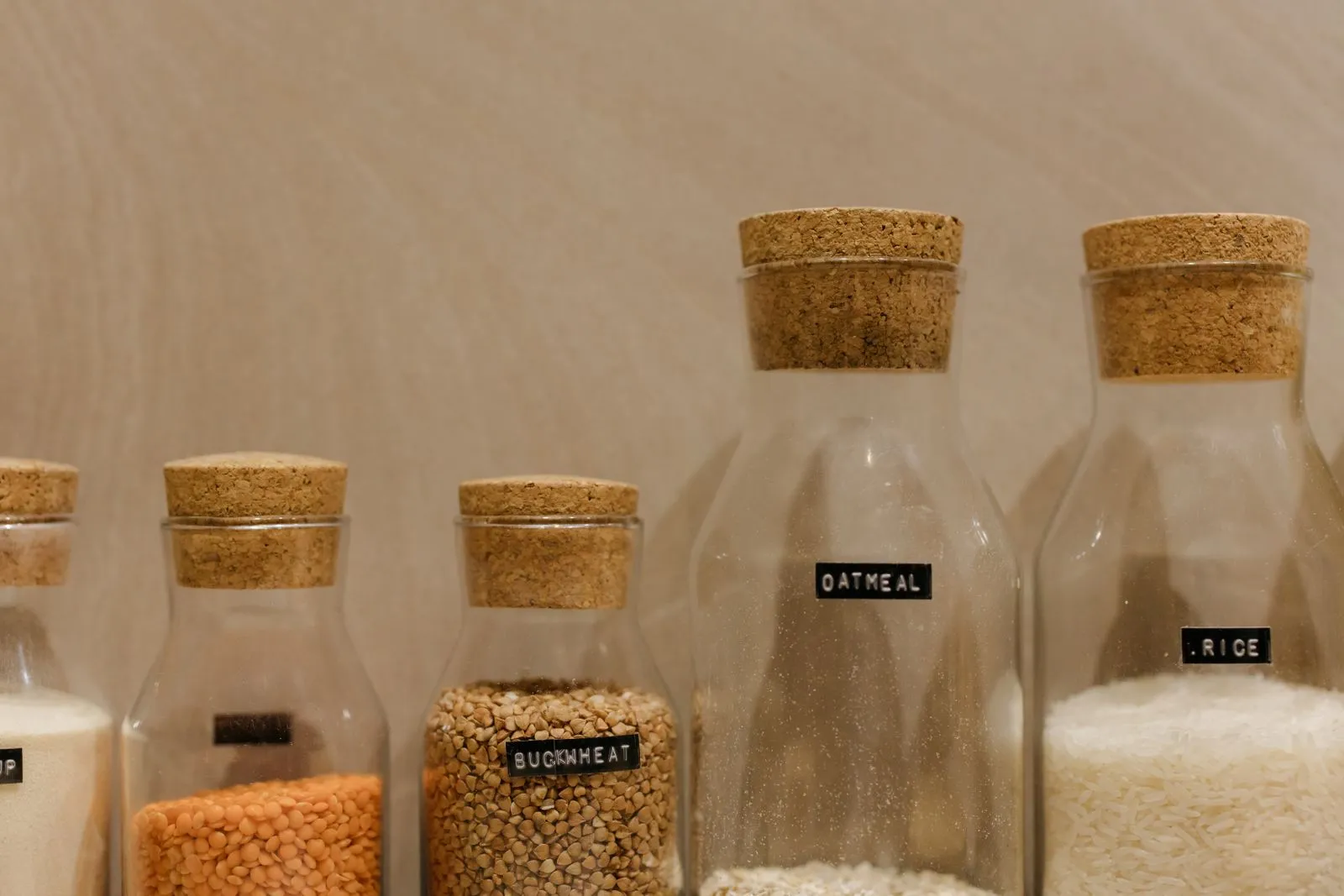
A helpful school pantry offers foods families can store safely, prepare with limited equipment, and serve in familiar ways. The strongest choices are not just shelf-stable; they also work together to make simple meals and snacks. Think about different household sizes, dietary needs, and access to a stove or can opener. A balanced selection of grains, proteins, fruits, vegetables, and meal basics gives families room to make choices that suit their routines.
Start With Flexible Staples
Choose grains and starches that can anchor several kinds of meals. Rice, pasta, oats, couscous, crackers, and shelf-stable tortillas can pair with canned vegetables, beans, sauces, or spreads. Include familiar options where possible, and consider quick-cooking varieties for households short on time or fuel. Check package directions and storage needs so each item makes sense for the families who will use it.
Useful pantry basics can turn separate ingredients into a meal. Canned tomatoes, pasta sauce, broth, cooking oil, and mild seasonings work across soups, pasta dishes, rice bowls, and casseroles. Smaller containers may be easier for a household to use before they go stale or lose quality. Add simple instructions or recipe cards that show how a few pantry items can become a complete dish.
Include Convenient Protein
Shelf-stable protein helps make meals more filling. Consider canned beans, lentils, chickpeas, peanut or seed butter, canned fish, and shelf-stable tofu where available. Offer options that do not require cooking, along with ingredients families can add to soups, sandwiches, pasta, or rice. Clearly label products that contain common allergens, and provide alternatives when your pantry can do so.
Think about preparation as well as nutrition. Pull-tab cans can help people who do not have a can opener, while ready-to-eat items suit families without a working stove. If you stock canned foods with standard lids, keep a manual can opener available. Check that packaging is intact and store products according to label directions.
Offer Produce and Snacks
Canned and dried produce can add variety when fresh food is not practical. Look for canned fruit packed in juice or water, applesauce, canned vegetables, and dried fruit. Choose items that can be eaten as they are or added to everyday dishes. Consider low-sodium vegetables when available, but keep familiar flavors and easy-to-use formats in the mix.
Family-friendly snacks can make pantry supplies useful between meals. Shelf-stable choices include crackers, unsweetened applesauce cups, cereal, popcorn, and nut or seed butter with a suitable pairing. Check serving sizes, allergen statements, and packaging. Individually portioned items can be convenient, while larger packages may provide better flexibility for households with several people.
Make Every Bag Usable
A thoughtful mix matters more than a long list of products. Pair ingredients that work together, such as pasta with sauce, oats with shelf-stable milk, or beans with rice. Ask families and school staff which foods are familiar, easy to prepare, and actually wanted. Use that feedback to adjust choices, including culturally familiar foods and options for common dietary needs.
Before distributing food, review expiration or best-by dates, packaging condition, and storage instructions. Rotate stock so older items are offered first, and keep food in a clean, dry area. Add clear notes about preparation, required equipment, and allergens. These small steps help families understand what they are receiving and make it easier to use each item safely.
A useful school pantry combines dependable staples with convenient proteins, produce, and snacks that families can prepare with the equipment they have. Choose items that pair well, label them clearly, and listen to the people who use the pantry. Brighton School Pantry can help you explore practical options for your household.